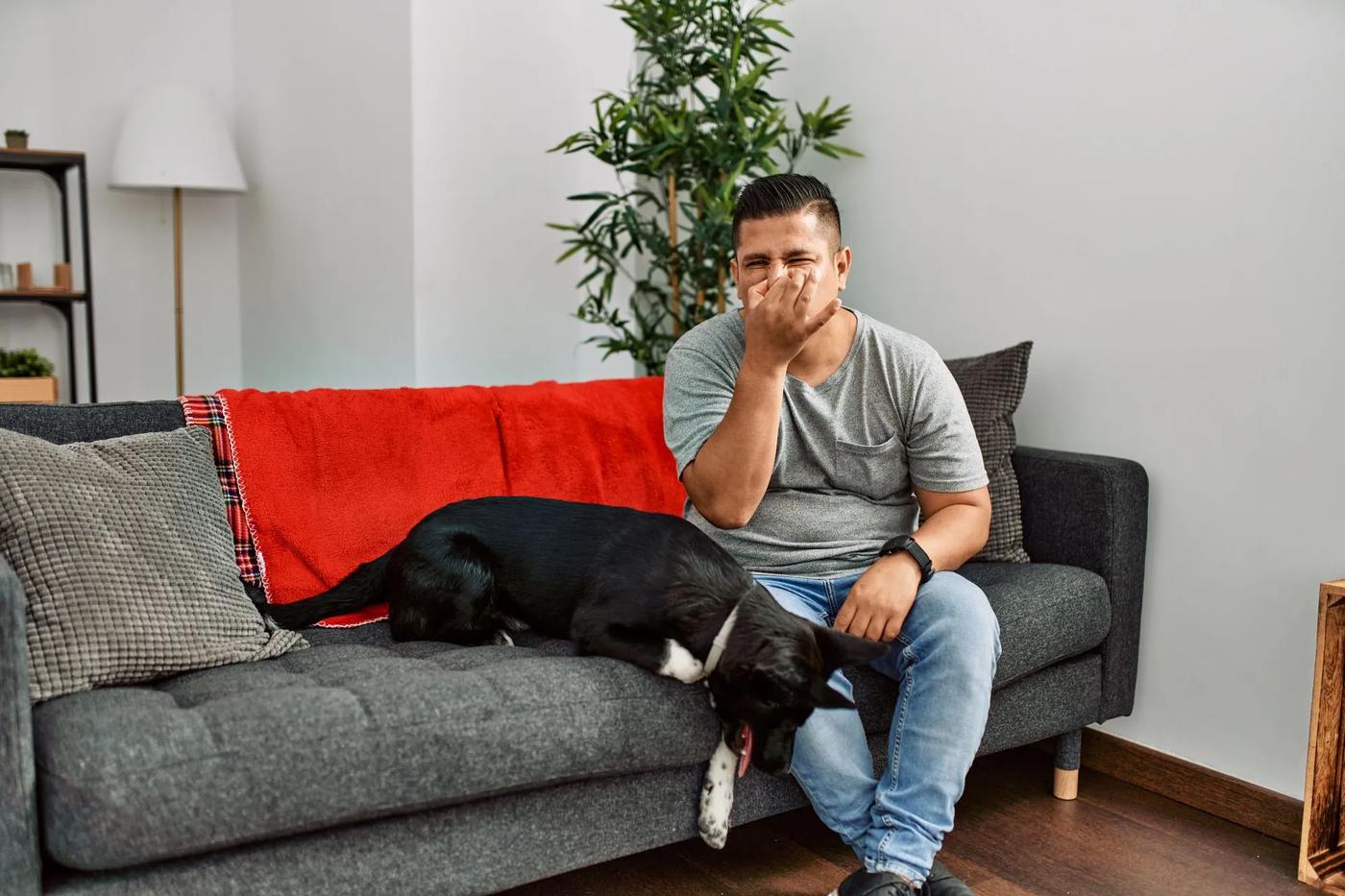
Sewer odors are not a single problem with a single solution. Where the odor appears in or around your home, when it appears, and whether it is persistent or occasional are all diagnostic information. Getting that wrong leads to treating a dry P-trap with a call to a septic contractor, or dismissing a drain field problem as a plumbing quirk. Neither outcome serves you.
Working through the location systematically gets you to the right answer and the right response without unnecessary expense or delay.
Indoor Odors — Reading the Location
Odor at a Single Fixture or Floor Drain
This is the most common cause of indoor sewer smell and the easiest to fix. Every drain in your home has a P-trap, a curved section of pipe that holds a small amount of water. That water seal physically blocks sewer gas from traveling up through the drain opening. When a drain is not used for an extended period — a bathroom in a guest room, a utility sink that sits idle for months, a floor drain in an infrequently used space — the water in the trap evaporates and the seal breaks.
The fix is exactly as simple as it sounds: pour two to three gallons of water down the affected drain. If the smell clears within an hour or so, you had a dry trap. Following the water with a small pour of cooking oil creates a surface layer that slows future evaporation in drains you do not use regularly.
Odor at the Base of a Toilet
A persistent sewage smell at the base of a ground-floor toilet, particularly if it is accompanied by any feeling of movement when you sit on the toilet, indicates a failing wax ring. The wax ring creates an airtight seal between the toilet base and the floor flange. When it deteriorates from age, toilet movement, or floor settling, sewer gas escapes around the base. Replacing a wax ring is a standard plumbing repair that eliminates the odor source completely.
Odor from Multiple Drains Simultaneously
When the same sewage smell appears at two or more different fixtures across the house at the same time, neither dry traps nor a single failing wax ring explains it. Multiple simultaneous odor points indicate either a blocked plumbing vent stack or a system-level issue.
The vent stack on your roof allows sewer gases to escape outside and equalizes pressure throughout the drain system. A blocked vent stack, from a bird nest, debris accumulation, or ice buildup during an unusual cold event, causes gas to push back through the water traps in your drains. A plumber can inspect and clear a blocked vent stack without any work on the septic system itself.
If the vent stack is clear and odors persist across multiple fixtures, the issue is in the septic system and warrants a professional inspection.
Outdoor Odors — What the Location Tells You
Near the Tank
The septic tank produces gases as a normal byproduct of anaerobic biological activity. Those gases exit through the plumbing vent stack under normal operating conditions and should not produce detectable odor at the tank lid. If you consistently smell sewage near the tank location in the yard, one of three things is typically happening: the tank lid is not seating properly and is venting gases at grade level, the tank is approaching capacity and gas pressure is finding the path of least resistance, or the tank has a crack or joint failure that is allowing gas to escape.
Persistent outdoor odor at the tank warrants an inspection that checks lid integrity, measures sludge depth, and assesses the tank's structural condition.
Over the Drain Field
Effluent odor above the drain field, appearing during dry weather and not resolving within a day or two of the last rain, indicates the field is not absorbing at adequate depth. Either the soil is temporarily stressed from an extended wet period, distribution is uneven and one section of the field is overloaded, or the field is in active failure.
Seasonal odor that appears during the spring wet season and resolves as conditions dry is a field working at its absorption limit during peak stress. Odor that persists through dry weather is a different conversation.
Beyond the Property Line
If a sewage odor is detectable at your property boundary or reported by neighbors, the system is surfacing or leaking in a way that may require notification of the county environmental health department. Address it professionally and promptly. This is a water quality issue, not just a nuisance.
What Odors Are Not
Sewer odors do not respond to air fresheners, enzyme products poured down the drain, or septic additives. All of those mask or ignore the source. A dry trap fixed with water and oil, a wax ring replaced by a plumber, a vent stack cleared of debris, a tank pumped because it was at capacity — those fix odors because they address the condition producing them. Anything short of that is temporary.
Frequently Asked Questions
Why does my house smell like sewage after it rains?
Heavy rainfall raises the water table and can temporarily slow drain field absorption, pushing gases back through the system. In North Georgia, this is most common during spring wet periods from March through May. Odor that resolves within a day or two after rain events is a system under stress but functioning. Odor that persists through dry weather following a wet period indicates the drain field needs professional evaluation.
What does a dry P-trap smell like and how do I fix it?
A dry P-trap produces the classic sewage gas odor at a specific fixture, the same rotten egg or sulfur smell associated with sewer gas. It is isolated to one drain while the rest of the house smells normal. Pour two to three gallons of water down the affected drain and follow with a small amount of cooking oil. The odor should clear within an hour if a dry trap was the cause.
When does a sewer odor indicate a serious system problem?
Odors from multiple fixtures simultaneously, strong odor that appears suddenly in a system that was odor-free before, outdoor odors that persist through dry weather, or any odor accompanied by slow drains or gurgling sounds all indicate a system-level issue requiring professional inspection. A single fixture with odor that clears after running water is nearly always a dry trap rather than a system problem.
Get to the Bottom of It
Septic & Sewer Solutions diagnoses the source before recommending any repair. If you are dealing with persistent odors in your home or yard anywhere in North Georgia, contact us for a system evaluation.