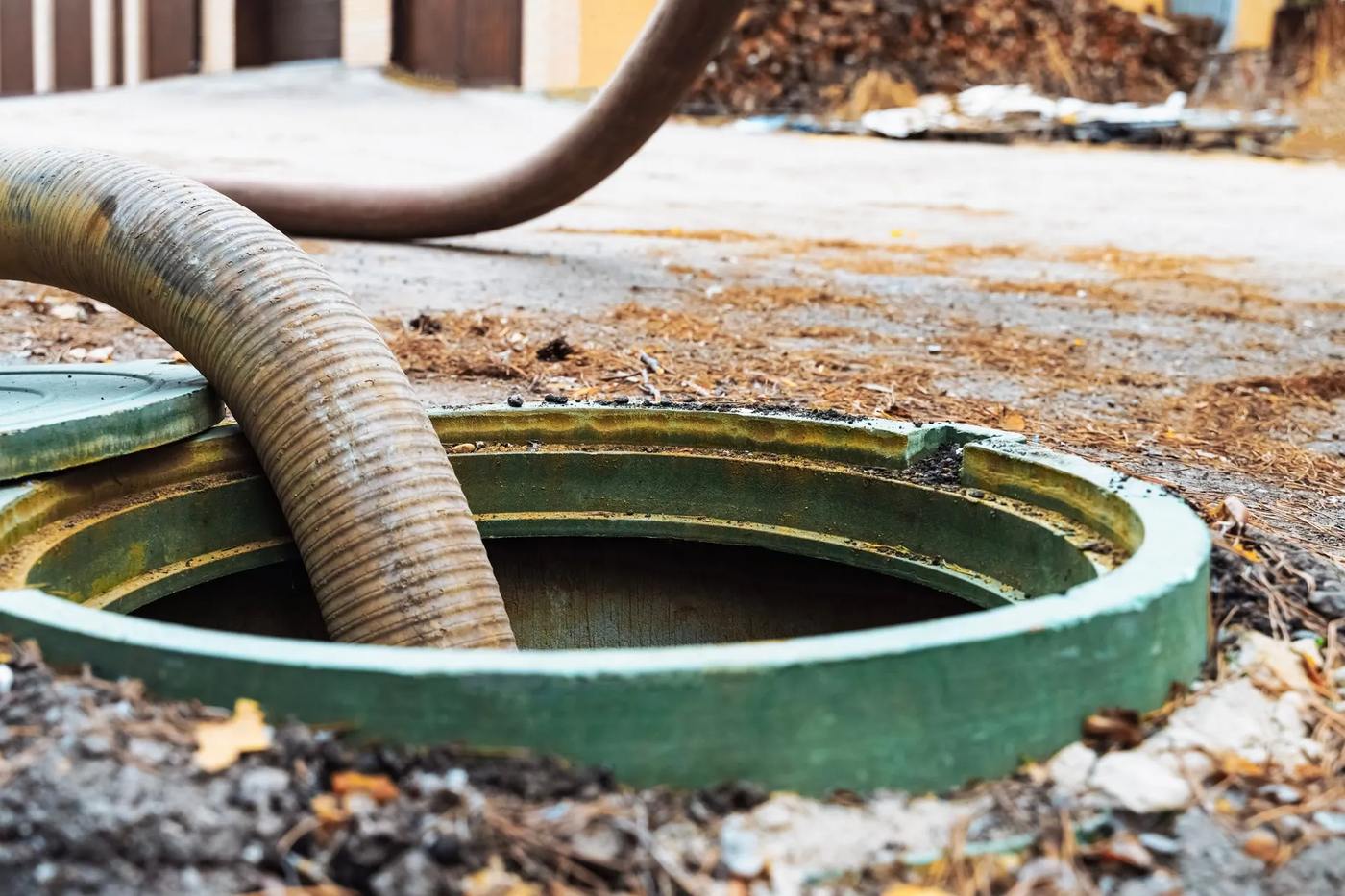
Most North Georgia homeowners pump their septic tank after something has gone wrong. A backup. An odor that finally got serious enough to act on. Wet ground that appeared without explanation. By that point the tank has been operating near or at capacity for some time, and what should have been a scheduled service call has become an emergency.
The signs that a tank is approaching capacity appear well before any of that. They are easy to overlook because the system is still technically functioning when they first appear. That is exactly when to act.
Slow Drains Across Multiple Fixtures
A single slow drain is a plumbing problem, not a septic problem. A partial clog in that fixture's trap or branch line, isolated to one drain while everything else in the house works normally.
Multiple slow drains in different areas of the house at the same time tell a different story. When the kitchen sink, the upstairs toilet, and the laundry drain are all performing poorly simultaneously, the restriction is downstream from where the branch lines connect, in the main sewer line or at the tank itself. A tank approaching capacity creates outflow restriction because the effluent level is high enough to impede normal flow from the house.
If drains that worked fine a year ago are now consistently slow across multiple fixtures, that is not a coincidence and it is not going to resolve on its own.
Sewage Odors Inside and Outside the House
A functioning septic system produces no detectable odors. Not inside the house, not near the tank in the yard. When they appear, where they appear is diagnostic.
Indoor Odors
Indoor odors at floor drains or at toilet bases on the ground floor mean gas pressure is building in the system and escaping back through water traps. It happens when the tank is near capacity and the normal vent path through the roof stack cannot equalize pressure fast enough. This typically shows up before any visible backup.
Outdoor Odors Near the Tank
Outdoor odors directly at the tank location, not over the drain field but at the tank itself, suggest the tank is at or very near capacity and gases are venting at the lid. Odors over the drain field area are a different condition entirely, one that indicates effluent surfacing and requires a different evaluation.
Wet Ground and Green Grass Over the Drain Field
When a tank approaches capacity, backed-up pressure can push effluent through the drain field faster than clay soil can absorb it. On a soil type that already absorbs more slowly than the averages that standard sizing tables assume, this threshold arrives sooner than most homeowners expect.
Soft, wet ground above the drain field lines during a dry stretch, not the day after heavy rain but several dry days in when the surrounding yard has firmed up completely, means effluent is surfacing. It is a health hazard and it has typically been developing longer than the visible evidence suggests.
The grass observation is subtler and catches people off guard. A defined strip of notably darker, faster-growing grass running directly over the drain field lines, distinct from the lawn around it, means nutrient-rich effluent is reaching the grass roots closer to the surface than proper treatment requires. The grass looks good. The system does not.
Gurgling in the Plumbing
When the toilet gurgles after the dishwasher runs, or the floor drain makes noise after a flush, air is being displaced back through the water traps because normal flow is restricted. In a properly functioning system, air equalizes through the roof vent stack with no audible effect in the plumbing.
Gurgling appears earlier in the failure sequence than slow drains or odors. It is easy to dismiss because the drains are still moving water when it starts. Do not dismiss it.
Setting the Right Pumping Interval
The most useful thing a pump-out service provides beyond emptying the tank is a measured sludge depth recorded at each visit. That measurement, tracked across service visits, tells you your household's actual accumulation rate and produces a specific recommended interval based on real data rather than a generic calendar estimate.
For most North Georgia households, three to five years is the standard range. Households with heavy garbage disposal use, larger occupancy than the bedroom count suggests, or any history of system problems should pump toward the shorter end. A clean service record with consistent sludge depth measurements supports scheduling toward the longer end with confidence.
If the last pump-out was more than three years ago and any of the symptoms above have appeared, do not wait for the next one.
Frequently Asked Questions
How often should a septic tank be pumped in North Georgia?
Every three to five years for most residential systems. The right interval for your specific household depends on actual water use, tank capacity, and accumulation rate. A technician who measures sludge depth at each visit can give you a precise recommendation based on what they actually find rather than a generic estimate.
What happens if you do not pump on schedule?
Sludge accumulates past the outlet baffle level and escapes into the drain field with the effluent. Once solids establish in drain field soil they cannot be removed. The affected section requires replacement. This is the most preventable and most common cause of premature drain field failure in North Georgia, and the cost difference between a pump-out and a drain field replacement is not comparable.
Can a homeowner pump their own tank in Georgia?
No. Georgia requires septic waste to be transported and disposed of by a licensed septage hauler at an approved facility. There is no legal path for homeowners to pump their own tanks, and attempting it without proper equipment creates serious health risks from pathogen and gas exposure.
Schedule Your Pump-Out in North Georgia
Septic & Sewer Solutions serves Jackson, Hall, Barrow, and surrounding North Georgia counties. We measure sludge depth at every pump-out and give you a written record of system condition and our recommended next service interval. Schedule your pump-out today.