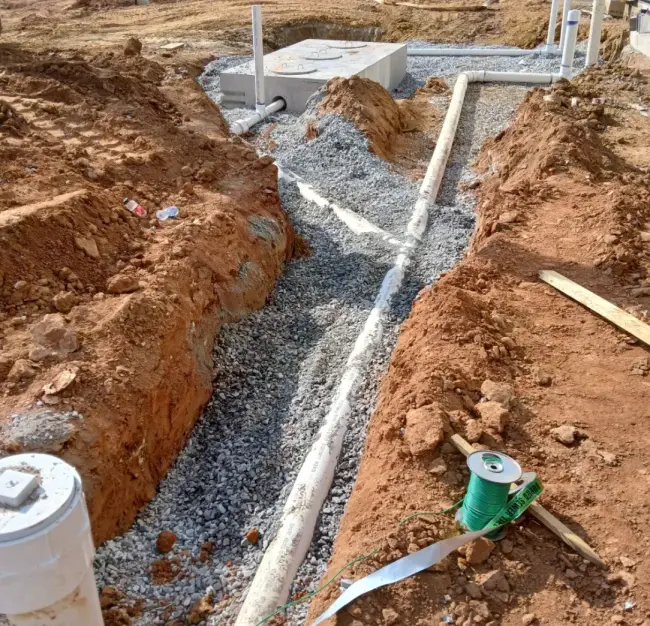
Grease Trap Installation in North Georgia
Commercial kitchens that fail grease management inspections get shut down. We install properly sized grease traps that meet Georgia DPH requirements and keep your operation running.
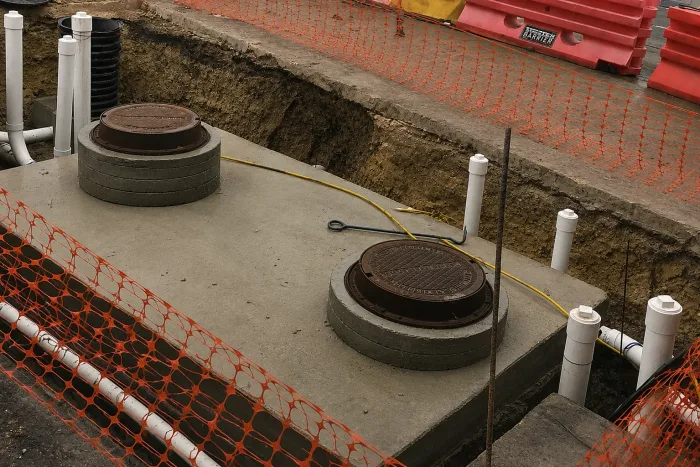
<span style="color: rgb(41, 88, 54);">Grease trap installation</span> for restaurants and commercial food service operations
A grease trap that is undersized, improperly installed, or out of compliance with local FOG regulations does not just create a plumbing problem. It creates a health department problem. We design and install commercial grease management systems sized and positioned correctly for your operation from day one.
Get your free grease trap assessment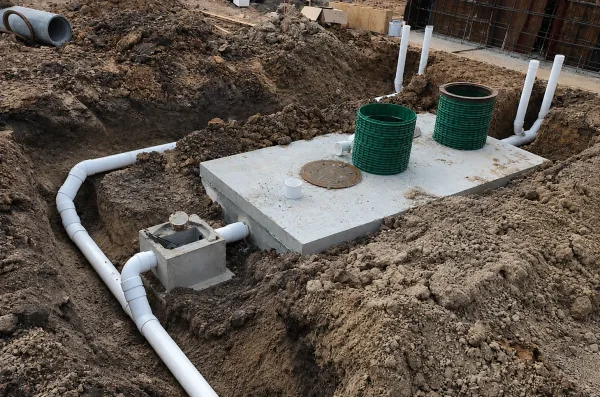
Grease trap installation services we provide
From initial site evaluation and system sizing through installation, testing, and compliance documentation, we handle the full grease trap installation process for commercial food service operations across North Georgia.

Site evaluation and system design
We evaluate your kitchen's layout, plumbing configuration, and wastewater flow volume before recommending any system components. A grease trap that works correctly is designed around how your kitchen actually operates, not around a standard unit size pulled from a catalog.

Grease trap sizing and selection
Undersized grease traps fill too quickly, overflow, and create the exact blockage problems they are supposed to prevent. We calculate the correct unit size based on your kitchen's fixture count, flow rate, and grease output to ensure the system handles your operation's actual demand.

Professional installation
We handle every step of the installation, from positioning and connecting the grease trap to testing flow rates and verifying that the system captures FOG effectively before the project is closed. Installation is done to minimize operational disruption and downtime for your business.

Compliance and permitting
Grease trap installations in Georgia require permits and must comply with local FOG regulations enforced by county environmental health departments. We manage the permit application, coordinate required inspections, and provide the documentation your operation needs to demonstrate compliance during health department reviews.

Post-installation testing
After installation we conduct a full system test to verify the grease trap is capturing FOG at the correct rate and that all connections are secure. We walk you through what proper operation looks like and what your maintenance schedule should be to stay compliant and avoid service calls.
Why proper grease trap installation matters
A grease trap is not optional for commercial food service operations in Georgia. It is a regulatory requirement, and the consequences of a failing or non-compliant system go well beyond a maintenance bill.
Blocked sewer lines from FOG accumulation result in fines, health department citations, and in serious cases, forced closure until the system is remediated. The right grease trap, properly sized and correctly installed, prevents all of that. The wrong one creates a recurring compliance problem that costs more to manage than a proper installation would have cost in the first place.
The regulatory environment in North Georgia
Local FOG regulations vary by county and municipality across North Georgia. Jackson County, Hall County, Barrow County, and the municipalities within them each have specific requirements around grease trap size, placement, inspection frequency, and maintenance documentation. We know those requirements and install systems that meet them.
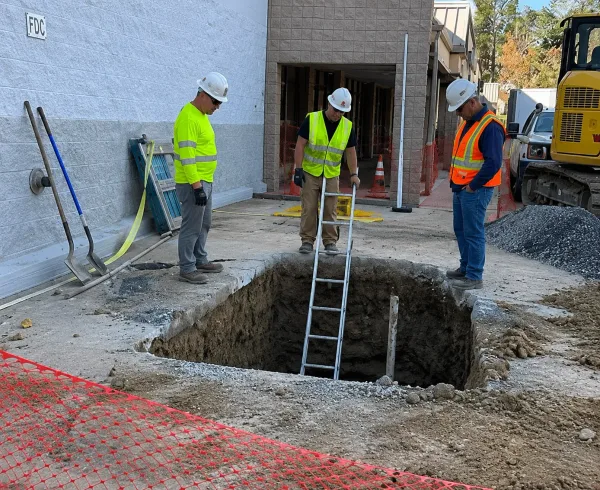
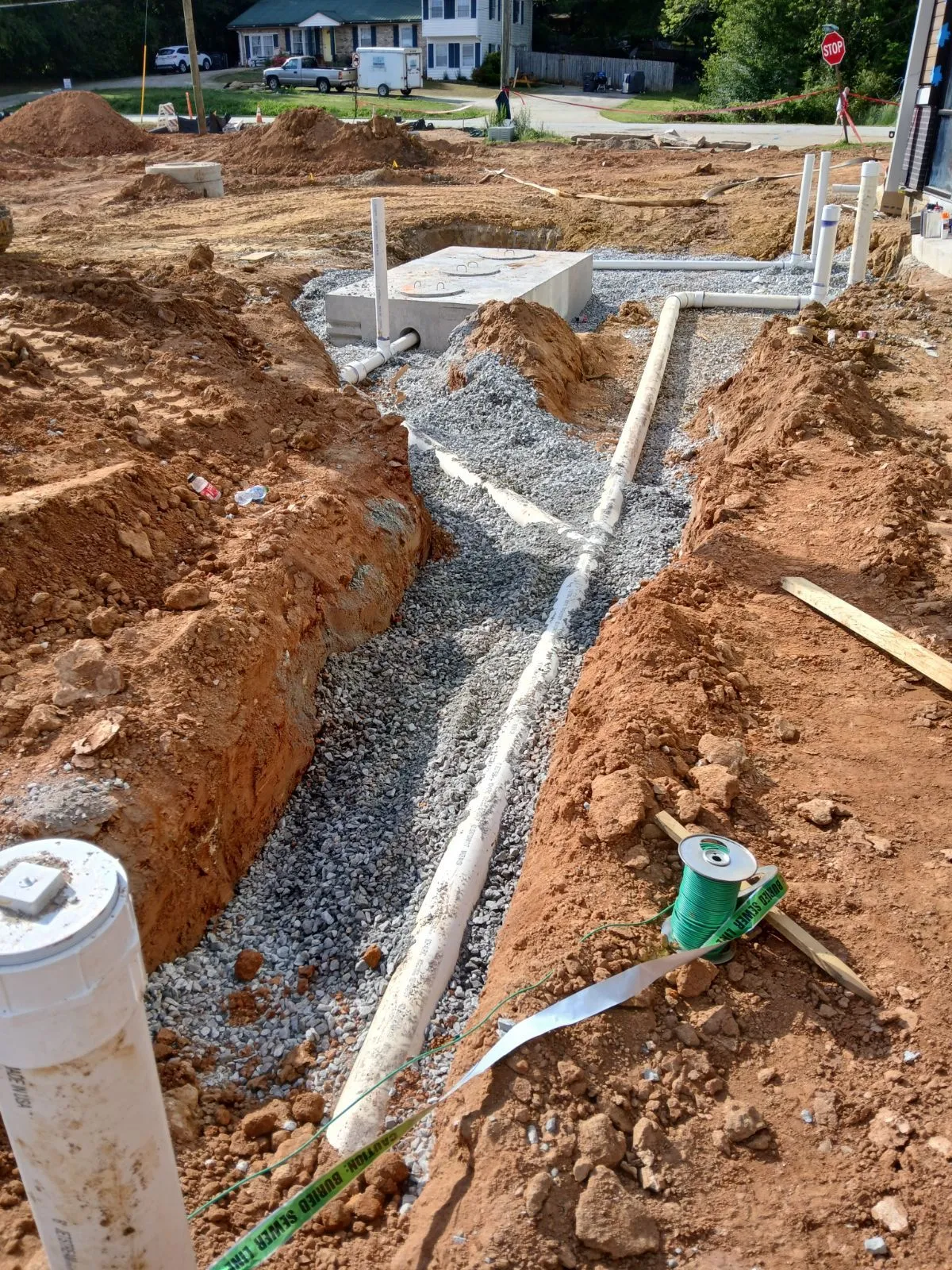
Commercial Installation & Maintenance
We install grease traps for commercial food service operations of all sizes across North Georgia. The system design and sizing varies by operation, but the compliance and installation standards are consistent across every project.
Get a grease trap quote for your operation
Restaurants and full-service kitchens
Full-service restaurants produce the highest grease output of any food service operation. We size and install grease management systems that handle peak service volumes without requiring emergency pump-outs or creating compliance gaps between scheduled maintenance intervals.

Cafes, delis, and fast casual operations
Smaller food service operations still require properly sized grease traps. We design systems appropriate for the actual flow rates and FOG output of smaller kitchens rather than oversizing unnecessarily or undersizing to cut initial costs.

Commercial kitchens and institutional food service
Institutional kitchens in schools, hospitals, corporate campuses, and event venues operate under the same FOG regulations as restaurants. We design and install systems that meet compliance requirements for high-volume institutional food preparation.
Common questions
These are the questions restaurant owners and commercial operators ask most often before a grease trap installation project in North Georgia.
Call today for grease trap installation
Every grease trap installation starts with a site evaluation. We assess your kitchen configuration, calculate the correct system size, and give you a detailed quote that includes permitting and compliance documentation.
Schedule your grease trap assessment