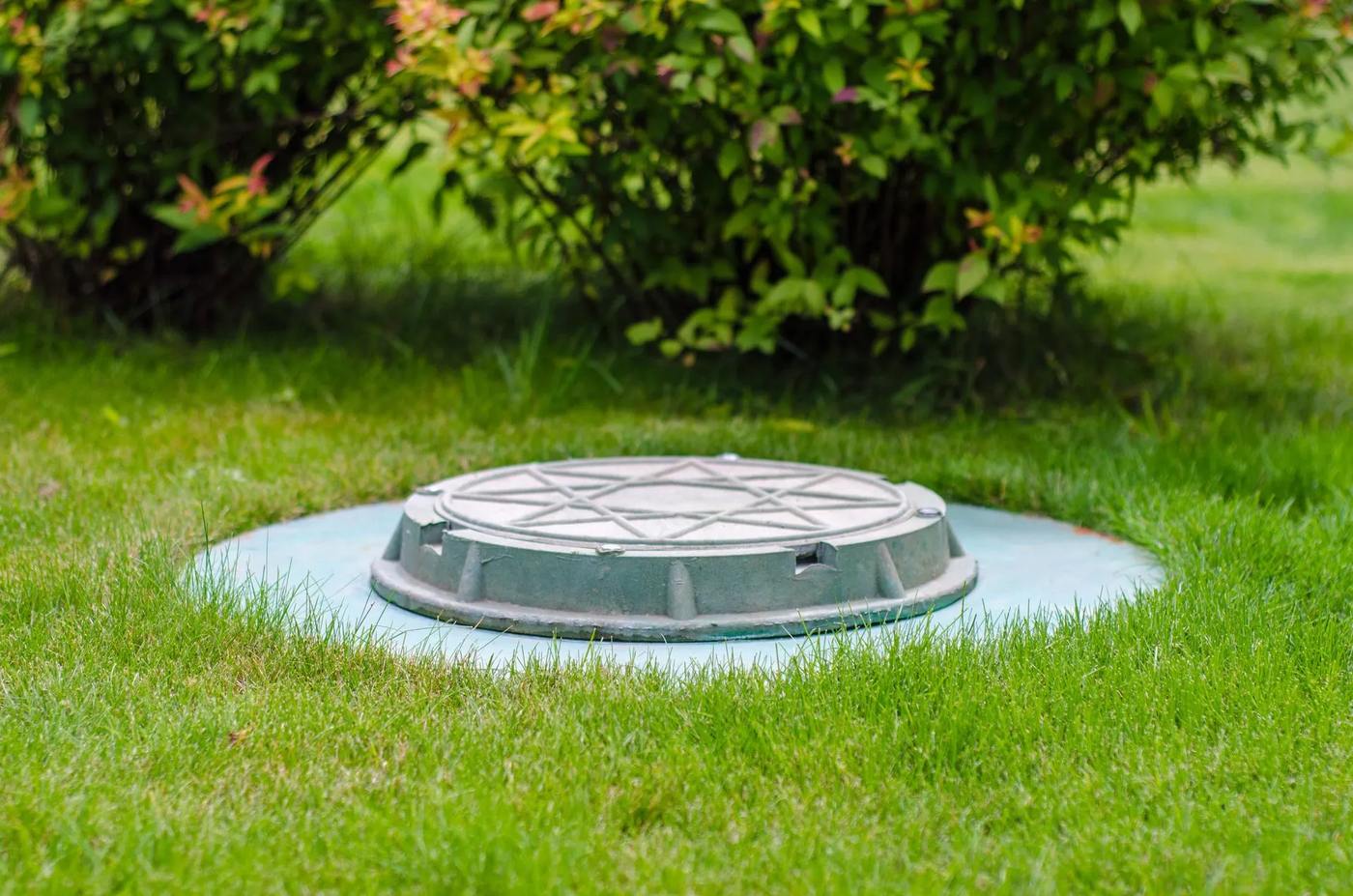
If you are buying a home with a septic system for the first time, or moving from a municipal sewer connection to a rural North Georgia property, there is a system underground doing something most people never have to think about. Understanding what it does and how the conditions specific to this region affect how it performs puts you in a position to maintain it well and recognize problems before they become expensive.
A septic system manages all wastewater from your home in a self-contained treatment process on your property. Instead of connecting to a municipal sewer that routes waste to a central treatment plant, the property handles the full treatment sequence. Done correctly with proper engineering for the specific site, it treats wastewater safely and returns clean water to the groundwater system with no environmental harm. Done incorrectly, undersized for the property or installed without proper soil evaluation, it creates contamination, property damage, and regulatory problems that follow the property for years.
The Treatment Process From House to Groundwater
Stage One: Separation in the Tank
All wastewater from every drain in the home flows through a single outlet pipe into the septic tank. Inside the tank, three layers form based on density. Solids sink and accumulate as sludge. Grease and oils float to the top as scum. The liquid layer between them, called effluent, is what moves forward into the treatment process.
Anaerobic bacteria in the tank break down some of the organic material in the sludge, but cannot eliminate it. That is why pumping exists. Sludge accumulates continuously from the first day of use and must be removed before it reaches the outlet level and escapes into the drain field.
Stage Two: Distribution to the Drain Field
Effluent leaving the tank moves to the drain field through a distribution system. In a conventional gravity installation, it flows by gravity to a distribution box that divides the flow among the field lines. In a pressure distribution system, a pump delivers effluent in timed, even doses across all lines simultaneously, which is more reliable on sites where soil variability across the field footprint is significant.
How the effluent arrives at the field, and how evenly it is distributed, determines how evenly the drain field ages. A distribution box that settles to one side concentrates flow in one section of the field and leaves others underutilized. The overloaded section fails ahead of schedule. The correction is inexpensive when caught during inspection. The consequence of missing it accumulates invisibly until that section can no longer absorb its load.
Stage Three: Biological Treatment in the Soil
The drain field is where treatment actually happens. Effluent seeps from perforated pipes through surrounding gravel and into the native soil beneath, where naturally occurring bacteria complete the treatment process before the water reaches the groundwater table. The drain field is a biological system that depends on soil biology to function, which is why soil conditions are the defining variable in every septic system design decision.
What North Georgia Soil Means for Your System
Red clay dominates the soil profile across Jackson, Barrow, Hall, and surrounding counties. It has a naturally low percolation rate. Water moves through it slowly. A drain field design that performs well in moderate-permeability soil will underperform in Georgia clay because the soil cannot accept effluent as quickly as the design assumes.
Georgia requires a percolation test before any system is installed, and the results drive the design. A properly engineered system for North Georgia clay will have a larger drain field footprint than national standard tables would produce, and may incorporate engineered fill in the trench bed to improve local drainage. Systems installed to generic specifications rather than actual soil data are the primary source of early drain field failure in this market.
The spring wet season compounds the clay soil challenge. From March through May, sustained rainfall saturates the clay and reduces its effective absorption capacity. A system sized adequately for dry-condition permeability but not for wet-season variability shows stress during that period. This is why proper sizing in this region builds in margin rather than engineering to the bare minimum the perc test technically allows.
The Maintenance Commitment Over the System's Life
A septic system is infrastructure, not a purchase. Like a roof or a foundation, it requires periodic attention to deliver its full service life. The minimum maintenance commitment for a North Georgia homeowner involves three consistent practices.
First, pumping every three to five years with sludge depth measured at each visit to calibrate the correct interval for your household's actual use pattern. Second, periodic observation of the drain field area, particularly during and after the spring wet season, to catch early saturation signs. Third, controlling what enters the system: no grease down the kitchen drain, nothing labeled flushable in the toilet, no medications or solvents into any drain.
Beyond that minimum, knowing where your tank lids are located, whether your system has a pump tank, and keeping records of service visits positions you well for both ongoing maintenance and any future real estate transaction involving the property.
Frequently Asked Questions
How is a septic system different from a city sewer?
A municipal sewer connects your home to a centralized treatment facility that handles waste from the entire service area. A septic system handles the complete treatment process on your property. You are responsible for maintaining the system and for the costs that a municipal system builds into utility bills. The advantage is no monthly sewer bill and full control over the system's condition through consistent maintenance.
How long does a properly maintained septic system last in Georgia?
A properly engineered and consistently maintained system should last 25 to 40 years in North Georgia. Systems installed without adequate soil evaluation, undersized for actual site conditions, or neglected over time fail significantly earlier. Installation engineering and ongoing maintenance together determine lifespan more than any other factors.
Does every home outside a city in North Georgia need a septic system?
Homes outside municipal sewer service areas must have an approved wastewater management system. In most of rural Jackson, Barrow, Banks, and surrounding counties, that means a permitted septic system. Some areas have county sewer lines extending into previously rural zones as development increases. Whether sewer connection is available for a specific property is confirmed through your county utilities department.
Get the Right Information for Your Property
Septic & Sewer Solutions has worked on properties across North Georgia for over 20 years. If you have questions about how your system works, what it needs, or whether it was engineered correctly for the soil it sits in, contact us for an honest assessment.